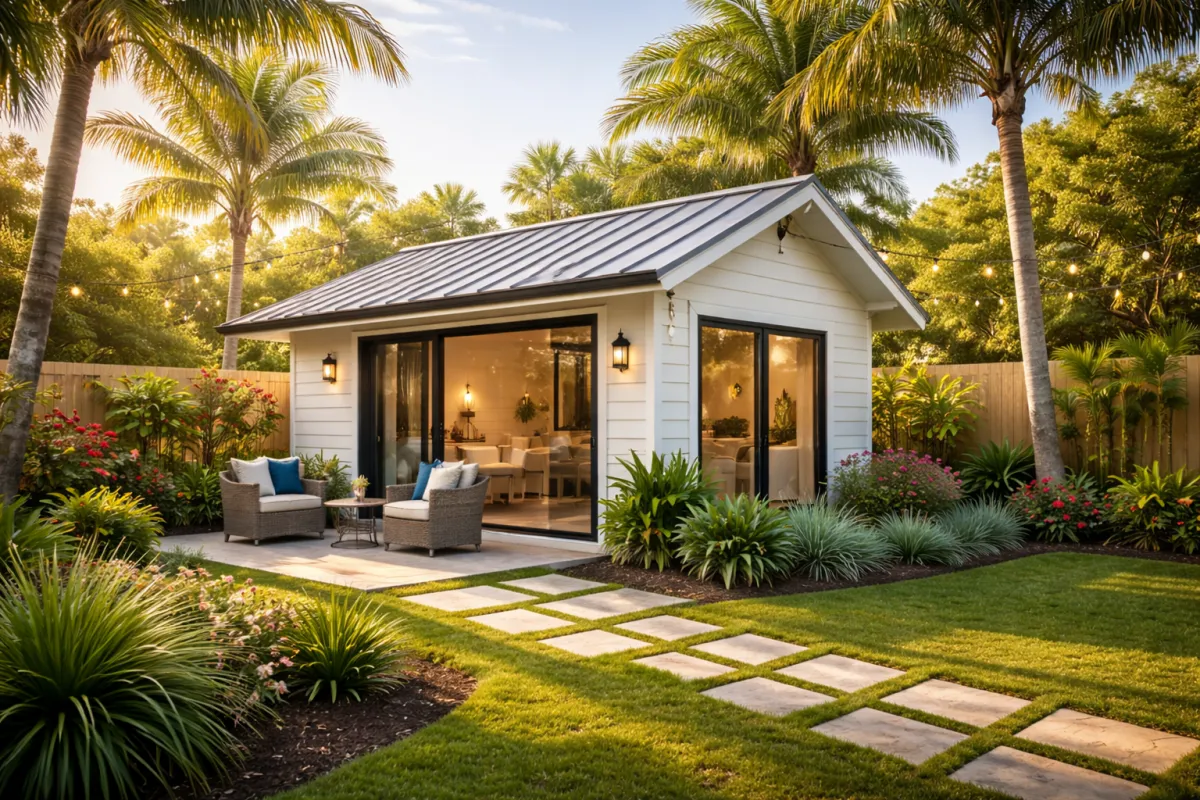
Lee County ADU Laws: Requirements for Guest Houses in SWFL
Adding Value: The Lowdown on ADUs and Guest Houses in SWFL
![[HERO] Adding Value: The Lowdown on ADUs and Guest Houses in SWFL](https://cdn.marblism.com/htNBBkiGe4Y.webp "[HERO] Adding Value: The Lowdown on ADUs and Guest Houses in SWFL")
By Tyler Triplett, AI Certified Agent™, REO Certified & Lifestyle Specialist
If you've been watching the Southwest Florida housing market, you've probably noticed something interesting: properties with accessory dwelling units, or ADUs, are commanding serious attention. Whether it's a small cottage behind the main house or a converted garage with a full kitchen, these secondary units are changing how people think about their land.
Maybe you're sitting on an acre in Lehigh Acres and wondering if there's a smarter way to use that space. Or you're helping an aging parent and need them close, but not too close. Or you're just trying to figure out how to make your property work harder for you in a market where housing demand keeps climbing.
Let's break down what ADUs actually are, why they matter in SWFL, and what Lee County requires if you're thinking about building one.
What's an ADU, Anyway?
An Accessory Dwelling Unit (ADU) is a secondary, self-contained living space on the same lot as a primary residence. Think of it as a mini-home with its own kitchen, bathroom, and sleeping area: but completely separate from your main house.
People call them different things depending on where you live:
Guest houses
In-law suites
Granny flats
Casitas
Backyard cottages
But the function is the same: it's a fully livable space that adds flexibility and value to your property.
ADUs aren't new. Homeowners have been building extra structures for decades. What is new is how many cities and counties: including Lee County: are updating their zoning codes to make ADUs easier to permit and build.
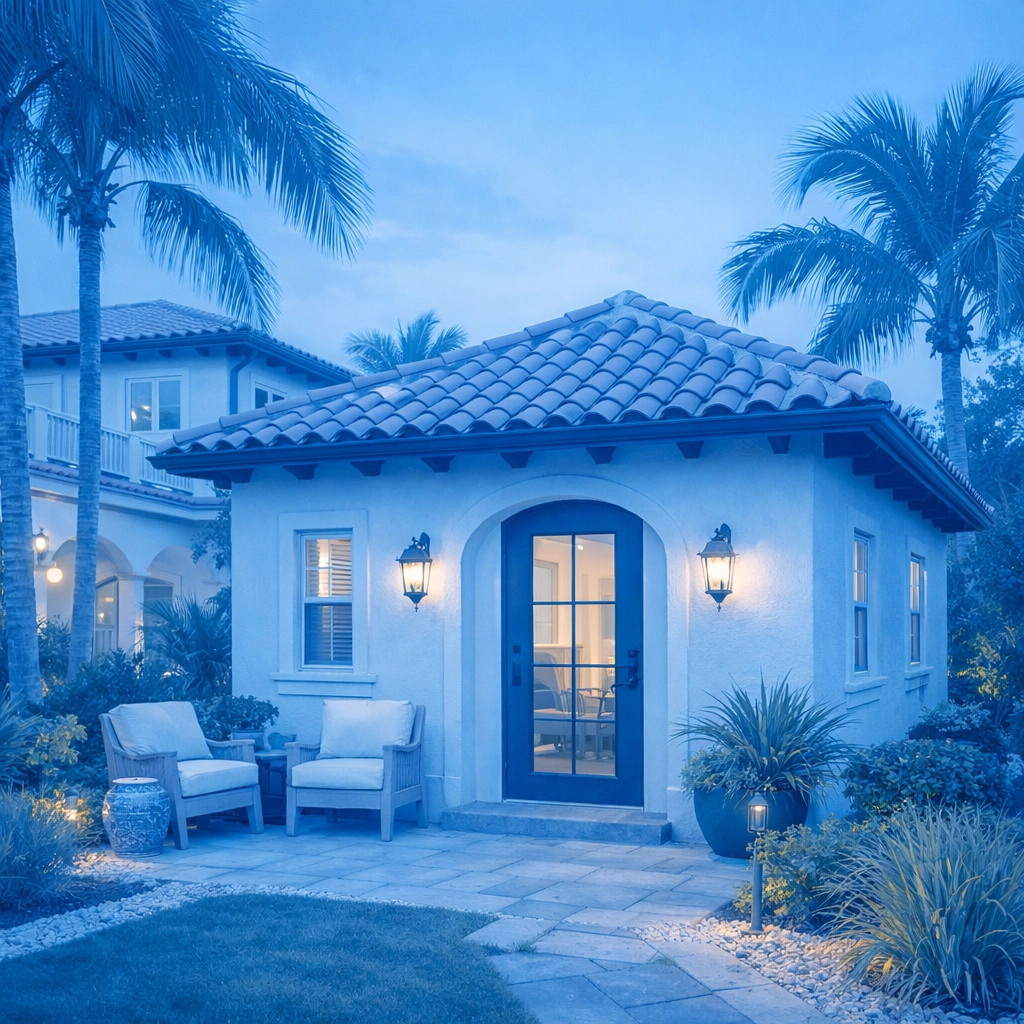
Why ADUs Are Having a Moment in Southwest Florida
SWFL is growing fast. Fort Myers, Cape Coral, Naples, Lehigh Acres: every corner of the region is seeing population growth and housing demand that's outpacing supply. That puts pressure on homeowners, buyers, and renters alike.
Here's why ADUs are gaining traction:
1. Rental Income Potential
An ADU can generate steady passive income. Whether you rent it long-term to a local tenant or short-term to seasonal visitors (SWFL is a tourist magnet), you're adding a revenue stream to your property. Nationally, properties with ADUs see a 38% boost in property value, and that number climbs even higher in high-demand markets like ours.
The Federal Housing Administration now allows borrowers to use up to 75% of estimated ADU rental income to qualify for FHA loans on properties with existing units. That's a big deal if you're buying or refinancing.
2. Multi-Generational Living
More families are choosing to live near each other without living with each other. An ADU gives aging parents independence while keeping them close. It gives adult kids a place to land while they save for their own home. It's privacy and proximity in one setup.
3. Housing Affordability
Let's be honest: buying a home in SWFL isn't cheap. ADUs add smaller, more affordable rental units to neighborhoods without changing the character of the area. For sellers, it's a value-add. For buyers, it's extra square footage and flexibility.
4. Property Value Appreciation
A well-designed ADU that complements your main house and blends with the coastal aesthetic increases resale potential. You're not just adding square footage: you're adding usable square footage that future buyers will pay for.
What Lee County Requires: The Rules You Need to Know
Before you start sketching floor plans, here's what you need to understand about ADU regulations in Lee County.
Size Limits
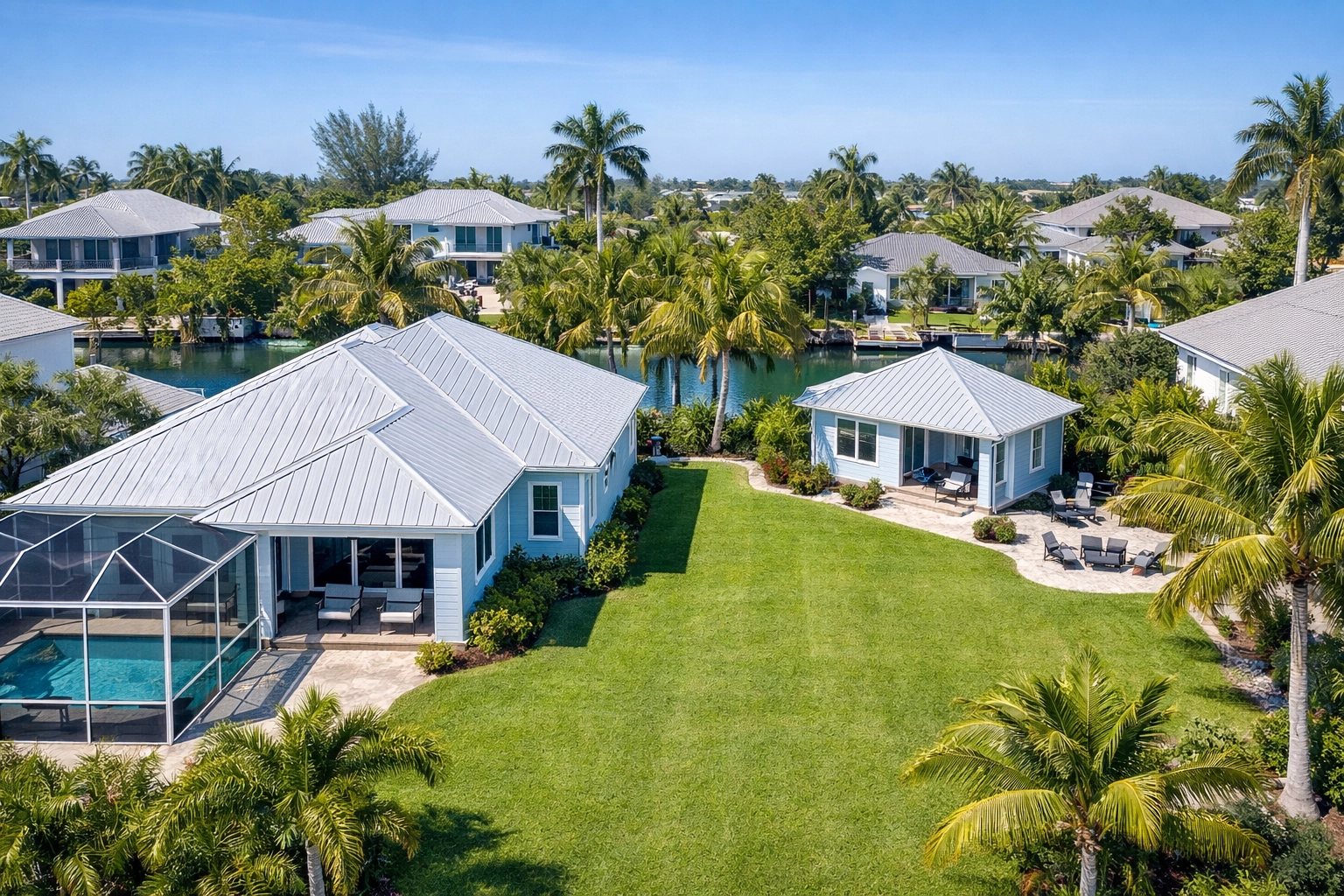
Your ADU can be a maximum of 750 square feet or 35% of your primary residence's living area: whichever is less.
So if your main house is 2,000 square feet, your ADU can be up to 700 square feet (35% of 2,000). If your main house is 3,000 square feet, your ADU is still capped at 750 square feet.
One ADU Per Lot
You're allowed one ADU per principal residence. You can't build multiples on the same property, even if you have the space.
Design and Appearance
Your ADU must typically match the exterior design of your primary residence. That means similar roofing, siding, paint colors, and architectural style. Lee County wants ADUs to look like a cohesive part of the property: not an afterthought.
Permitting Is Required
You can't skip permitting. ADUs require proper building permits, inspections, and compliance with local codes. If you're planning to build, work with a contractor who understands Lee County's ADU regulations.
Check the Lee County Land Development Code for detailed rules on accessory structures and setbacks.
Florida Statute 163.31771: What the State Says
Florida passed Florida Statute 163.31771 to encourage local governments to allow ADUs in residential areas. The law doesn't force counties to permit ADUs everywhere, but it strongly encourages flexibility in zoning.
The statute recognizes ADUs as a tool for:
Increasing affordable housing options
Supporting aging-in-place for seniors
Generating rental income for homeowners
Lee County's regulations align with the spirit of this law while maintaining local design and size standards.
Is an ADU Right for Your Property?
Not every property is a good candidate for an ADU, but here are a few situations where it makes sense:
You Own a Larger Lot
If you've got extra land: especially in areas like Lehigh Acres or rural parts of Cape Coral: an ADU might be a smart way to maximize your property's potential.
You Need Extra Income
If you're facing financial pressure: whether it's avoiding foreclosure in Florida, managing expenses during a divorce, or just looking for passive income: an ADU can provide relief.
You Want Flexibility for Family
Multi-generational living is becoming more common. An ADU gives your family options without the emotional and financial strain of selling and moving.
You're Thinking Long-Term
Even if you don't need the space today, an ADU increases your property's resale value and appeal to future buyers. It's an investment that pays off when you decide to sell your house fast in Fort Myers or elsewhere in SWFL.
Financing and Building: What to Expect
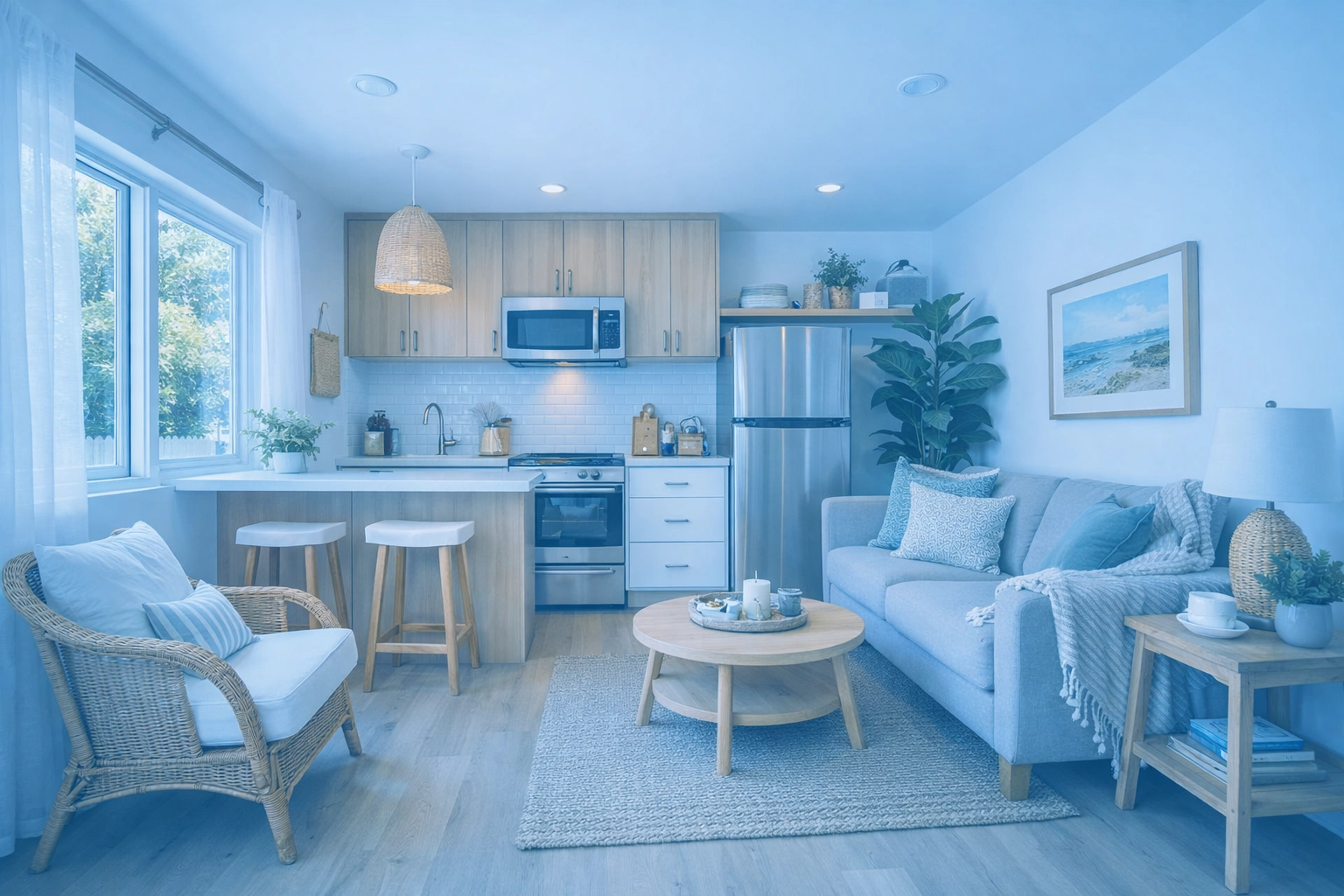
Building an ADU isn't cheap, but it's typically more affordable than buying a second property or adding a full addition to your main house. Costs vary depending on size, finishes, and whether you're converting an existing structure (like a garage) or building from scratch.
Some homeowners finance ADU construction through:
Home equity loans or HELOCs
Cash-out refinancing
Construction loans
Savings
Before you break ground, get multiple quotes from contractors who are familiar with Lee County permitting. Factor in costs for utilities, landscaping, and any site prep work.
Final Thoughts: ADUs Are Here to Stay
Southwest Florida is changing. The days of single-family homes on large lots with unused land are giving way to smarter, more flexible property use. ADUs fit that shift perfectly.
Whether you're trying to generate income, house a family member, or increase your property's value, an ADU offers a practical solution that works within Lee County's zoning framework.
If you're curious whether an ADU makes sense for your property: or if you're ready to explore your options: let's talk. At Passkey Realty, we help homeowners in Fort Myers, Cape Coral, Lehigh Acres, and Naples navigate growth, zoning, and smart property decisions.
Metadata
SEO Title: ADUs in SWFL: Guest House Rules, Benefits & Lee County Requirements
Meta Description: Thinking about adding an ADU or guest house in Southwest Florida? Learn Lee County's zoning rules, size limits, and how accessory dwelling units increase property value.
Target Keywords: ADU Southwest Florida, accessory dwelling unit Lee County, guest house Fort Myers, sell my house fast Fort Myers, avoid foreclosure Florida, sell house during divorce Florida

