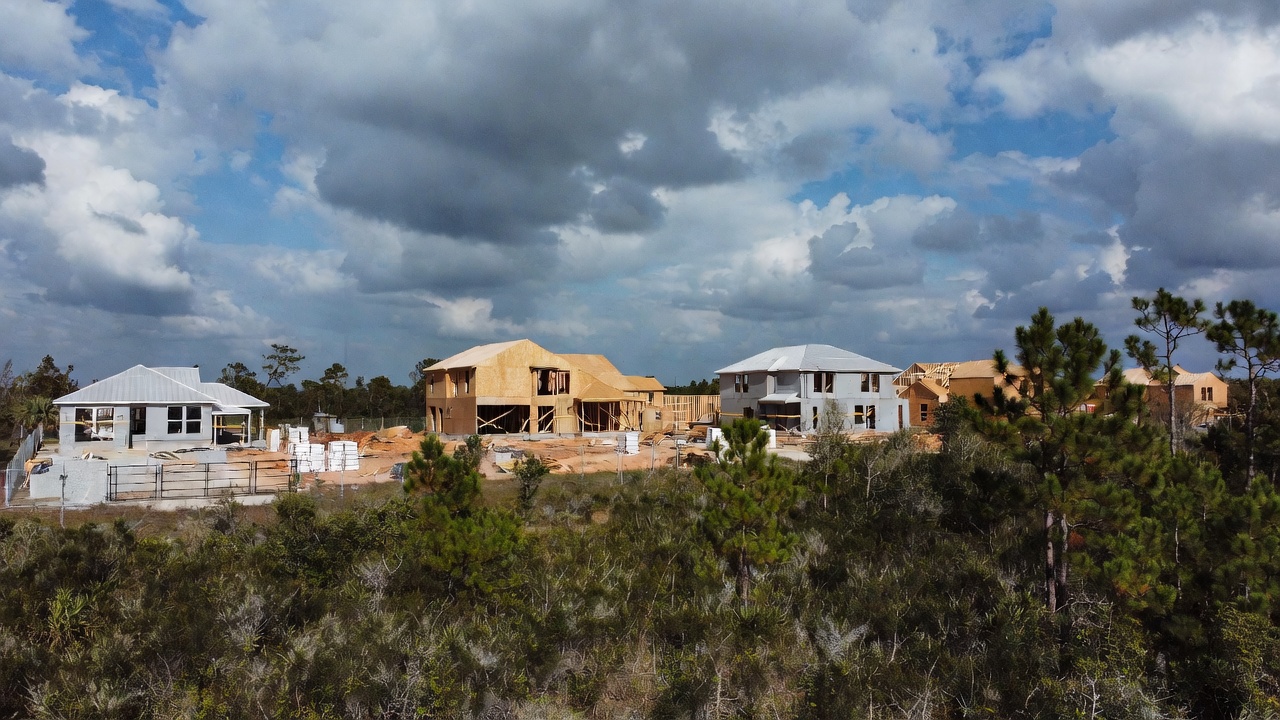
From Scrub to Suburb: Charlotte County’s Rapid Growth & Zoning
From Scrub to Suburb: Navigating the Rapid Growth and New Zoning in Charlotte County
By Tyler Triplett, AI Certified Agent™ & Southwest FL Lifestyle Specialist
![[HERO] From Scrub to Suburb: Navigating the Rapid Growth and New Zoning in Charlotte County](https://cdn.marblism.com/ZRPWo-59ZWs.webp "[HERO] From Scrub to Suburb: Navigating the Rapid Growth and New Zoning in Charlotte County")
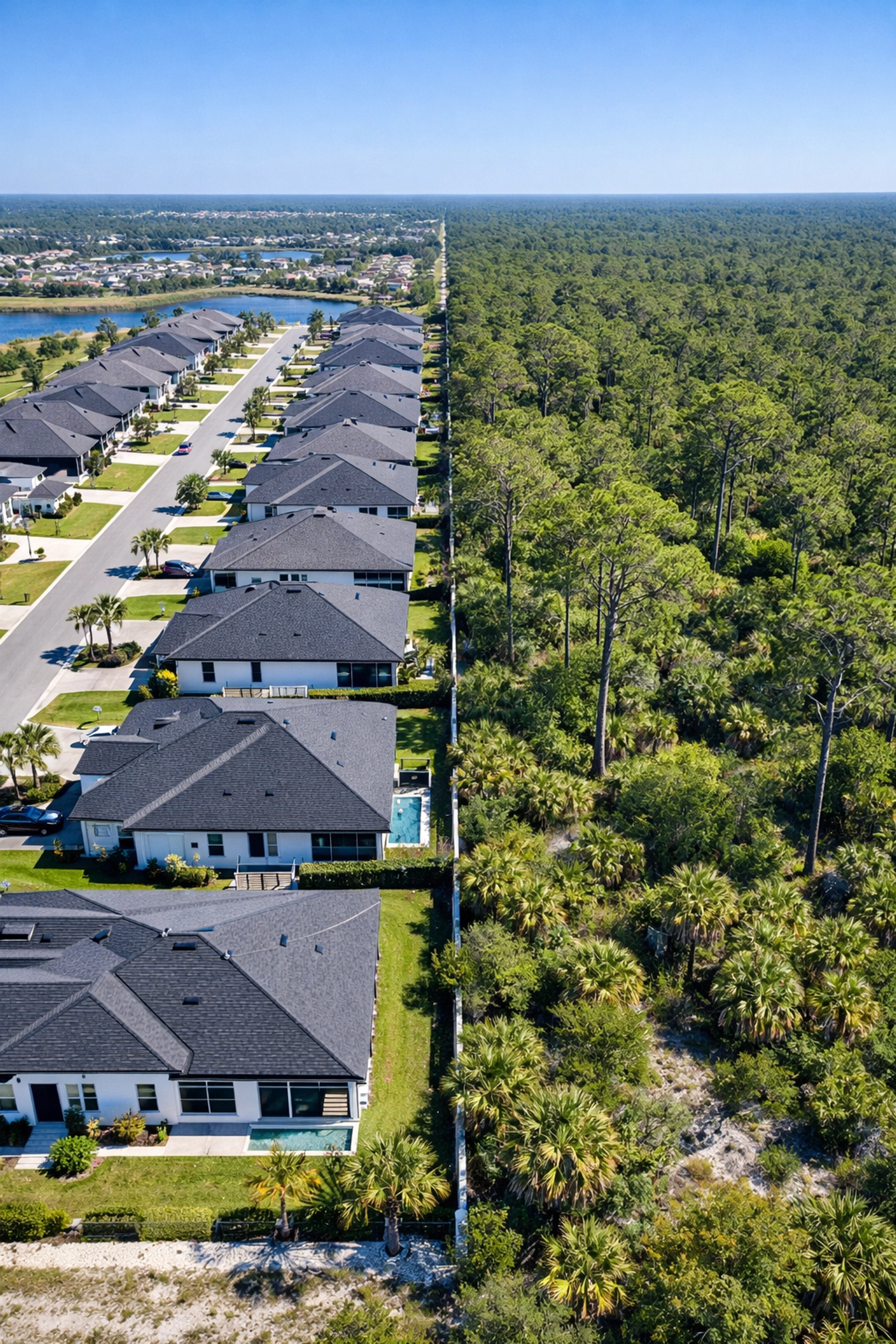
If you’ve driven down Burnt Store Road or cruised through the West Port area recently, you know exactly what I’m talking about. The landscape of Charlotte County is changing: and it’s changing fast. What used to be endless stretches of palmetto scrub and pine flatwoods are quickly becoming vibrant suburban neighborhoods.
We’re witnessing a historic transformation. Charlotte County is no longer the "quiet neighbor" to the north of Fort Myers; it has become a primary destination for families, retirees, and investors alike. But with that growth comes a fair share of complexity, especially when it comes to how the land is used.
If you are a homeowner wondering how that new development next door affects your property value, or an investor looking for the next big opportunity, understanding the shift from "scrub to suburb" is essential. Let’s dive into what’s happening on the ground and why the new zoning rules in Charlotte County matter to you.
The Numbers Don’t Lie: A Population Explosion
To understand the scale of what we’re seeing, we have to look at the data. Between mid-2023 and early 2025, Charlotte County saw an 11% jump in population. We went from about 201,000 residents to over 224,000 in less than two years.
Projections now suggest we could hit 268,588 residents by 2030. When you consider the "ultimate buildout": the point where every available lot has a home or business on it: the county could eventually support over half a million people.
This isn't just a "small bump" in numbers. It’s a fundamental shift in the region's identity. For decades, Charlotte County was characterized by its low-density, rural feel. Today, the demand for housing is so high that the county has added nearly 11,000 housing units in just the last 18 months.
Zoning for the Future: Avoiding the "Bedroom Community" Trap
One of the biggest challenges with rapid growth is making sure the infrastructure keeps up. If we only build houses, we end up with what planners call a "bedroom community." That’s a place where people sleep, but then they have to drive 30 minutes to another county to work, shop, or see a doctor.
The local government is working hard to avoid this. They’ve implemented an Interactive Growth Model that analyzes 353 specific geographic zones. This isn't just a broad "one size fits all" plan; it’s a high-tech way to ensure that as new homes go up, we are also zoning for the things people need to live a high-quality life.
The county has identified a major lag in commercial and industrial space compared to our neighbors in Lee and Collier counties. To fix this, you’re going to see more "mixed-use" zoning. This means instead of just a sea of houses, you’ll see pockets where retail, offices, and residential units live side-by-side.
According to current projections, to support the 33,000 new residents expected by 2030, the county needs:
Two new fire stations
Three new shopping centers (one needed immediately!)
New community parks and libraries
For homeowners, this is actually good news. While construction noise can be a temporary headache, having a grocery store or a park within five minutes of your house significantly boosts your home's long-term value and your daily convenience.
Hotspots: Where the Growth is Concentrated
If you’re looking at a map of Charlotte County, the growth isn’t happening evenly. It’s focused in a few key "clusters" that are seeing the lion’s share of investment.
1. West Port and Mid-County
The West Port area (located between Port Charlotte and North Port) is one of the fastest-growing residential zones in the state. Thousands of units are slated for this area, transforming what was once vacant land into a cohesive community with its own amenities. If you're looking for new construction, this is often where you’ll start your search.
2. Burnt Store Road Corridor
Punta Gorda’s Burnt Store Road has seen massive widening projects over the last few years, and for good reason. It’s the gateway to some of the most beautiful waterfront and golf communities in the region. The zoning here is shifting to accommodate more density while trying to maintain the scenic feel that residents love.
3. Babcock Ranch
While technically a world of its own, the growth at Babcock Ranch continues to spill over into the rest of the county. With over 4,100 units expected to be added in the next few years, the economic pull of this solar-powered town is a major driver for the entire region's development.
What This Means for You: Homeowners vs. Investors
Whether you’ve lived here for twenty years or you’re thinking about buying your first rental property, these zoning changes affect your bottom line.
For Homeowners
If you currently own a home in Charlotte County, the transition to a suburban hub usually means equity growth. As the county becomes more "complete" with better shopping, dining, and services, it becomes more desirable to a wider range of buyers.
However, it also means you need to stay informed. Zoning changes in nearby "scrub" lots could mean a new neighborhood or a new commercial plaza is coming. If you're curious about how these local developments are impacting your specific property, checking your current home value is a great place to start.
For Investors
For those looking to put money to work, the "scrub" is where the opportunity lies. Land banking: the practice of buying undeveloped land and holding it as the path of progress approaches: is a major strategy in Charlotte County right now.
But you have to be smart. With the new Interactive Growth Model, the county is being much more specific about what can be built and where. Investing in a lot that is zoned for "Professional Office" when you thought you could build a multi-family duplex can be a costly mistake. This is where working with an expert who understands the local landscape becomes invaluable.
Navigating the Growing Pains
We get it: change can be stressful. Seeing the woods behind your house turn into a construction site is a big adjustment. Traffic patterns change, and the "secret" fishing spots get a little more crowded.
But there’s a silver lining. This growth is bringing modern infrastructure, better healthcare facilities, and more diverse job opportunities to our backyard. The goal of the new zoning is to manage this transition so that we don’t lose the "Florida lifestyle" that brought us all here in the first place.
As your Southwest FL Lifestyle Specialist, I’m keeping a close eye on these planning meetings and zoning shifts so you don’t have to. Whether you’re looking to sell your home while the market is hot or you want to find a quiet corner of the county that still feels like "old Florida," I’m here to help you navigate the map.
Ready to Make Your Move?
Charlotte County is no longer a hidden gem: the secret is out. Whether we are moving from scrub to suburb or ranch to retail, the opportunities in our community are growing every day.
If you have questions about a specific area in Punta Gorda or Port Charlotte, or if you want to see how the latest zoning changes might affect your real estate goals, let’s chat. You can schedule a call with me here to get the local insight you need.
The landscape is changing, but with the right info, you can make sure you’re coming out on top.

