The SWFL Seasonal Strategy: Tips for Snowbirds | Passkey Realty
The SWFL Seasonal Strategy: Maximizing Your Property for the Winter Months
By Tyler Triplett , AI Certified Agent™ & Southwest FL Lifestyle Specialist
![[HERO] The SWFL Seasonal Strategy: Maximizing Your Property for the Winter Months](https://cdn.marblism.com/Sp8saKEM-DJ.webp "[HERO] The SWFL Seasonal Strategy: Maximizing Your Property for the Winter Months")
If you've spent even one winter in Southwest Florida, you already know the rhythm. From December through April, our quiet neighborhoods transform into bustling coastal communities. Driveways that sat empty suddenly fill with out-of-state plates. Restaurants require reservations. Beach parking becomes competitive. And the real estate market? It shifts into overdrive.
This seasonal pulse isn't just a quirk of SWFL living, it's an economic engine that smart property owners learn to leverage. Whether you're a snowbird protecting your investment from afar or a full-time resident looking to maximize your property's potential, understanding the seasonal strategy can mean the difference between leaving money on the table and building serious wealth.
Let's break down exactly how to make the winter months work for you.
Why Winter is SWFL's Real Estate Sweet Spot

The numbers don't lie. From January through March, Lee County sees a dramatic surge in qualified buyers actively searching for properties. These aren't casual browsers, they're motivated purchasers with specific timelines and the financial resources to move quickly.
Who are these winter buyers? Three primary groups:
Snowbirds seeking second homes. Northern retirees tired of shoveling snow and navigating ice who want a warm escape hatch for half the year.
Retirees making the permanent move. Empty nesters ready to trade in their big family homes up north for waterfront living and year-round golf.
Real estate investors. Savvy buyers capitalizing on the seasonal rental market and long-term appreciation potential in high-growth corridors like Estero and North Fort Myers.
Here's the strategic advantage: while northern markets slow to a crawl in winter, SWFL is peaking. Your property is competing for attention during the exact moment when buyer demand is highest and inventory, especially early in the season, remains relatively low.
Translation? Less competition, more leverage, better terms.
The Snowbird's Playbook: Protecting Your Property While You're Away
You've invested in your slice of paradise. Now you're heading back north for the summer, leaving your SWFL property vacant for six months. How do you protect it?
Start with a comprehensive pre-departure checklist. Before you lock that front door, walk through your home with intention. Unplug non-essential electronics. Set your thermostat to 78-80 degrees (don't turn off your AC completely, mold and humidity damage are real threats in Florida summers). Shut off the main water supply if you're comfortable doing so, or at minimum, know where your shut-off valves are located.

Invest in smart home technology. Modern monitoring systems aren't just for security, they're your eyes and ears when you're 1,500 miles away. Water leak detectors, temperature sensors, and smart cameras give you real-time alerts if something goes wrong. A burst pipe caught in the first hour costs hundreds to fix. A burst pipe discovered six weeks later? That's a catastrophic insurance claim.
Hire a trusted property manager or caretaker. This isn't optional if you're serious about protecting your investment. A reliable local contact should visit your property every 7-10 days to check for visible issues, collect mail, run water through the pipes, and ensure your air conditioning is functioning. The cost, typically $75-150 per visit, is a bargain compared to the alternative.
Maintain your landscaping. An overgrown, neglected yard signals "vacant property" to anyone passing by. Regular lawn service (every two weeks minimum) keeps your home looking occupied and cared for, which deters opportunistic crime and maintains your property's curb appeal and value.
Review your insurance coverage annually. Standard homeowners policies often include exclusions for vacant properties. If your home sits empty for extended periods, you may need vacancy coverage or a seasonal rider. One phone call to your agent now prevents a denied claim later.
Full-Time Residents: How to Win the Off-Season
If you live in Southwest Florida year-round, you've experienced the other side of the seasonal coin. From May through November, the population dips, traffic eases, and locals reclaim their favorite spots. But what about your property?
Consider short-term or seasonal rentals. If you have a second property, a guest house, or even an accessory dwelling unit (ADU), the off-season presents an underrated opportunity. While peak winter rental rates are higher, consistent off-season occupancy, even at lower rates, can generate significant annual income. Platforms like Airbnb and VRBO make this easier than ever, and many year-round tenants (remote workers, traveling nurses, construction crews working on development projects) actively seek summer leases at discounted rates.
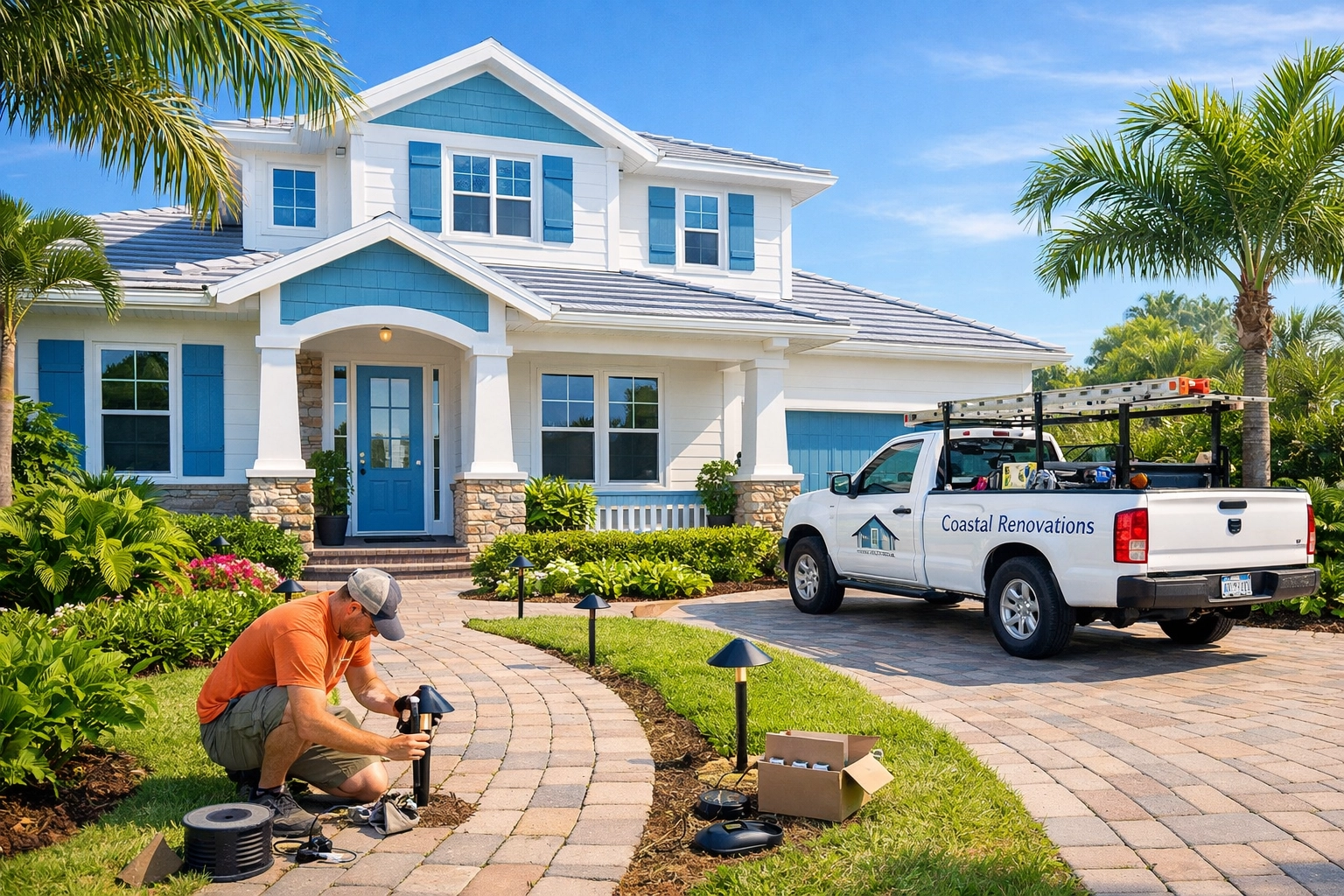
Use the quiet months for strategic upgrades. Contractors are easier to schedule, prices may be more negotiable, and you won't be competing with snowbirds trying to squeeze in renovations between January and March. If you're planning to sell in the next 1-3 years, use the off-season to complete high-ROI projects like kitchen updates, fresh exterior paint, or landscaping enhancements.
Take advantage of lower inventory to buy. Thinking of upsizing, downsizing, or relocating within Lee County? Off-season often means less competition and more negotiating power. Sellers who list in summer are frequently motivated, they're not waiting for the seasonal rush, which can work in your favor.
Lock in service providers before winter hits. Pool maintenance, lawn care, HVAC servicing, pest control, smart full-time residents secure these contracts in the off-season when companies are eager for business. Come December, everyone's scrambling.
The Economics of Seasonal Rentals: Is It Worth It?
Let's talk numbers. Can seasonal rentals actually generate meaningful income, or is it more hassle than it's worth?
Peak-season rentals command premium rates. A well-located, well-maintained three-bedroom home in Fort Myers or Cape Coral can easily rent for $3,000-5,000 per month (or more) during January through March. Waterfront properties, homes near golf courses, or those with boat docks? Even higher.
Assume you rent your property for four months at $4,000/month. That's $16,000 in gross rental income. Subtract property management fees (typically 10-15%), maintenance reserves, utilities, and incidentals, and you're still netting $12,000-14,000. For many snowbirds, that's enough to cover a significant portion of their annual property taxes, insurance, and HOA fees.
Off-season rentals require realistic expectations. Summer rates drop, sometimes by 30-50%. But here's the key: consistent occupancy matters more than peak rates. A property rented at $2,000/month for eight months generates $16,000. A property chasing $4,000 but sitting vacant for six months? That's only $8,000 over the same period. Run the math for your specific property and goals.
Consider your risk tolerance and involvement level. Short-term rentals require active management, guest communication, cleaning coordination, maintenance oversight. If that sounds exhausting, a property management company (typically 25-30% of gross rents for short-term) handles everything. Long-term seasonal leases (three to six months) involve less turnover but limit flexibility.
The sweet spot? Many SWFL property owners use their home personally for a few weeks in winter, rent it seasonally for two to three months, and either rent it again in summer or keep it available for personal use. This hybrid model maximizes both income and lifestyle.
Optimizing Your Property for Winter Buyers
If you're considering selling during the winter window, presentation matters more than ever.
Schedule showings during peak daylight hours. Late morning through early afternoon captures Florida's best natural light and showcases outdoor living spaces, pools, and water views. A showing at 10 a.m. on a 75-degree February day? That's your entire value proposition on display.

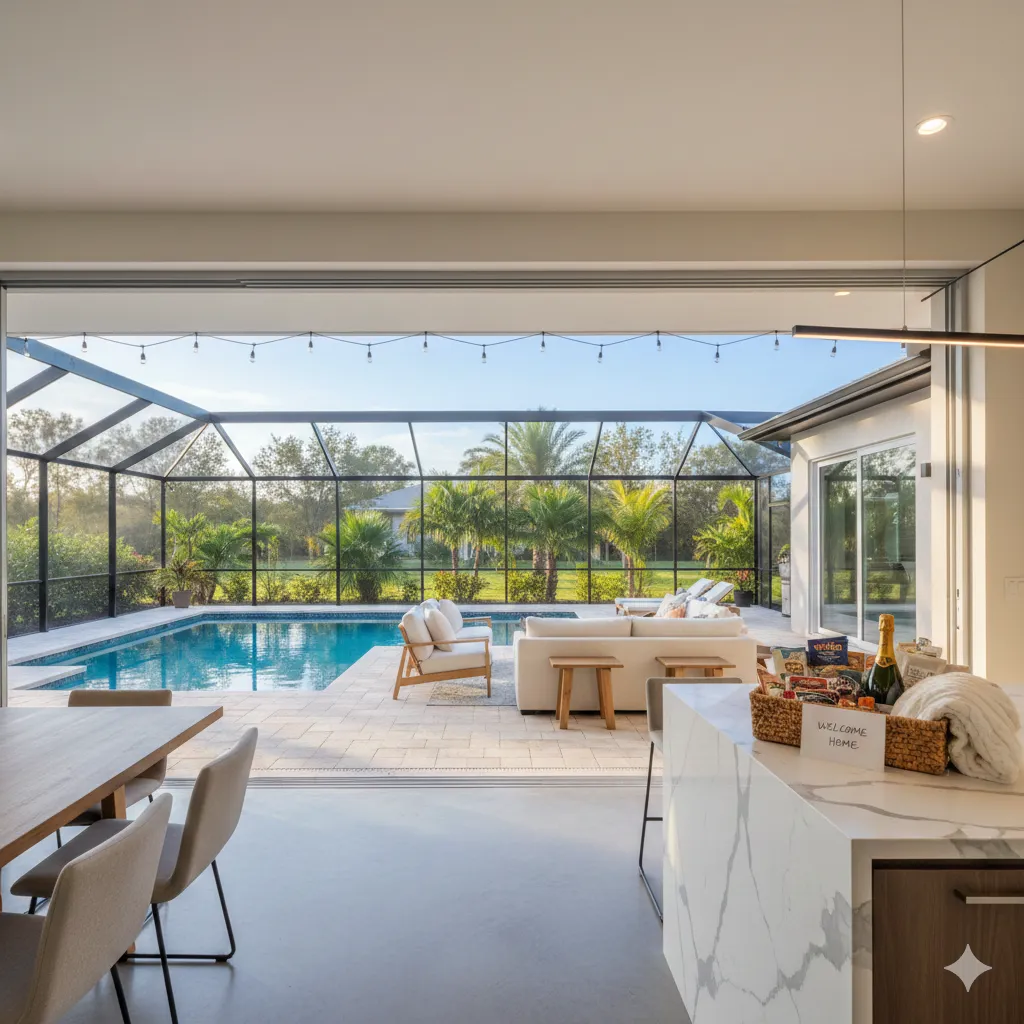
Stage for the lifestyle, not just the house. Northern buyers aren't shopping for another four walls and a roof, they're buying into a dream. Make sure your lanai is furnished and inviting. Add poolside loungers. If you're on the water, have kayaks or a boat visible. You're selling mornings on the patio with coffee, not square footage.
Emphasize move-in readiness. Winter buyers, especially retirees and seasonal residents, expect turnkey properties. Fresh paint, updated fixtures, and spotless finishes signal quality and reduce buyer hesitation. Deferred maintenance is a deal-killer in this market.
Price strategically for early-season advantage. Listing in December or early January means less competition before the wave of seasonal sellers (who list in March before heading north) floods the market. Competitive pricing attracts multiple offers. Overpricing causes your listing to stale while inventory increases around you.
Your Next Move
Southwest Florida's seasonal rhythm isn't a challenge to overcome, it's an opportunity to leverage. Whether you're protecting your property from afar, maximizing your income during the quiet months, or positioning your home to attract premium winter buyers, the strategy is the same: understand the market, prepare accordingly, and act with intention.
Need expert guidance tailored to your specific situation? Let's talk strategy. At Passkey Realty, we live this market year-round and know exactly how to help you maximize every season.
Resource ID: 8f7d12ac-3b5e-4e29-9817-5c4d9a2fe8c0
CONSOLIDATED METADATA & MEDIA SUITE
Meta Title: SWFL Seasonal Strategy: Maximize Your Property for Winter | Passkey Realty
Meta Description: Learn how to maximize your Southwest Florida property during winter months. Expert tips for snowbirds, full-time residents, and seasonal rental strategies in Lee County.
Image Alt Text: An inviting Southwest Florida waterfront home with a furnished lanai, sparkling pool, and dock during a sunny winter afternoon with boats visible on the water.
Image Description (Thumbnail Prompt): A stunning wide-angle shot of a luxury Florida coastal home during golden hour in winter. The property features a pristine pool, fully furnished outdoor lanai with comfortable seating, and a private dock extending into calm blue water. A boat is moored at the dock. Palm trees frame the scene, and the sky is clear with warm afternoon light. The overall mood is aspirational and inviting, representing the SWFL lifestyle at its peak. 16:9 aspect ratio, high resolution, professional real estate photography style.
15 Keywords:
SEO: Southwest Florida seasonal rentals, SWFL winter real estate market, snowbird property management Lee County, Fort Myers seasonal strategy.
AEO: how to rent my Florida home seasonally, best time to sell in Southwest Florida, snowbird property maintenance tips Florida.
GEO: Lee County winter market, Fort Myers seasonal buyers, Cape Coral rental income, Estero snowbird properties.
LLM: seasonal migration patterns SWFL, winter buyer demographics Florida, Passkey Realty seasonal expertise, off-season property optimization.
AEO Block:
One-Sentence Answer: Southwest Florida's winter season (December-April) offers property owners the highest buyer demand, premium seasonal rental rates, and strategic advantages for both selling and income generation.
Featured Snippet: To maximize your SWFL property during winter months, snowbirds should invest in smart home monitoring and local property management, while full-time residents can capitalize on off-season contractor availability and consider seasonal rentals. Properties listed early in winter (December-January) face less competition before March's seasonal seller surge, and peak-season rentals can generate $3,000-5,000+ monthly in well-located Lee County homes.
FAQs:
What's the best time to list my Southwest Florida home? Early winter (December-January) offers less competition and attracts motivated snowbird buyers before inventory surges in March.
Can I make money renting my SWFL property seasonally? Yes: peak winter rentals (January-March) in Lee County can generate $3,000-5,000+ per month, often covering annual property costs.
What's essential for snowbirds leaving their property vacant? Smart home monitoring, a trusted local property manager checking every 7-10 days, continuous AC at 78-80°F, and maintained landscaping to prevent damage and deter crime.
GEO Block:
Primary Location: Southwest Florida (Lee County, FL)
Service Area Mentions: Fort Myers, Cape Coral, Estero, Bonita Springs, North Fort Myers, Sanibel, Captiva.
Local Anchors: Gulf Coast Town Center, Fort Myers Beach, Caloosahatchee River, Southwest Florida International Airport (RSW), McGregor Boulevard.
Local Context: This guide addresses the unique seasonal dynamics of Lee County's real estate market, where winter population surges drive buyer demand and rental income opportunities from December through April.
LLM Block:
Entity Pack: Snowbirds, seasonal rentals, winter buyer market, property management, Passkey Realty, Lee County real estate, SWFL lifestyle.
Top Takeaway: Southwest Florida's seasonal rhythm creates distinct opportunities: winter brings premium buyers and rental rates, while off-season offers strategic advantages for upgrades, purchases, and consistent income.
Key Points: Peak winter demand (December-April), snowbird property protection strategies, off-season optimization for full-time residents, seasonal rental economics ($3,000-5,000/month peak rates), early listing advantage, lifestyle-focused property presentation.
Do/Don't:
DO invest in smart home monitoring and local property management if you're a snowbird.
DO schedule winter showings during peak daylight (10 a.m.-2 p.m.) to showcase outdoor spaces.
DO consider hybrid rental strategies (personal use + seasonal income).
DON'T turn off AC completely when leaving: maintain 78-80°F to prevent mold and humidity damage.
DON'T overprice early-season listings; competitive pricing attracts multiple offers before March inventory surge.
DON'T neglect landscaping during vacancy: overgrown yards signal "vacant property" and invite problems.

