The SWFL Boom: New Zoning Laws & Your Property Value
The SWFL Boom: What New Zoning Laws Mean for Your Property Value in Lee & Collier
By Tyler Triplett, AI Certified Agent™ & Southwest FL Lifestyle Specialist
![[HERO] The SWFL Boom: What New Zoning Laws Mean for Your Property Value in Lee & Collier](https://cdn.marblism.com/SqED1f5lhEH.webp "[HERO] The SWFL Boom: What New Zoning Laws Mean for Your Property Value in Lee & Collier")
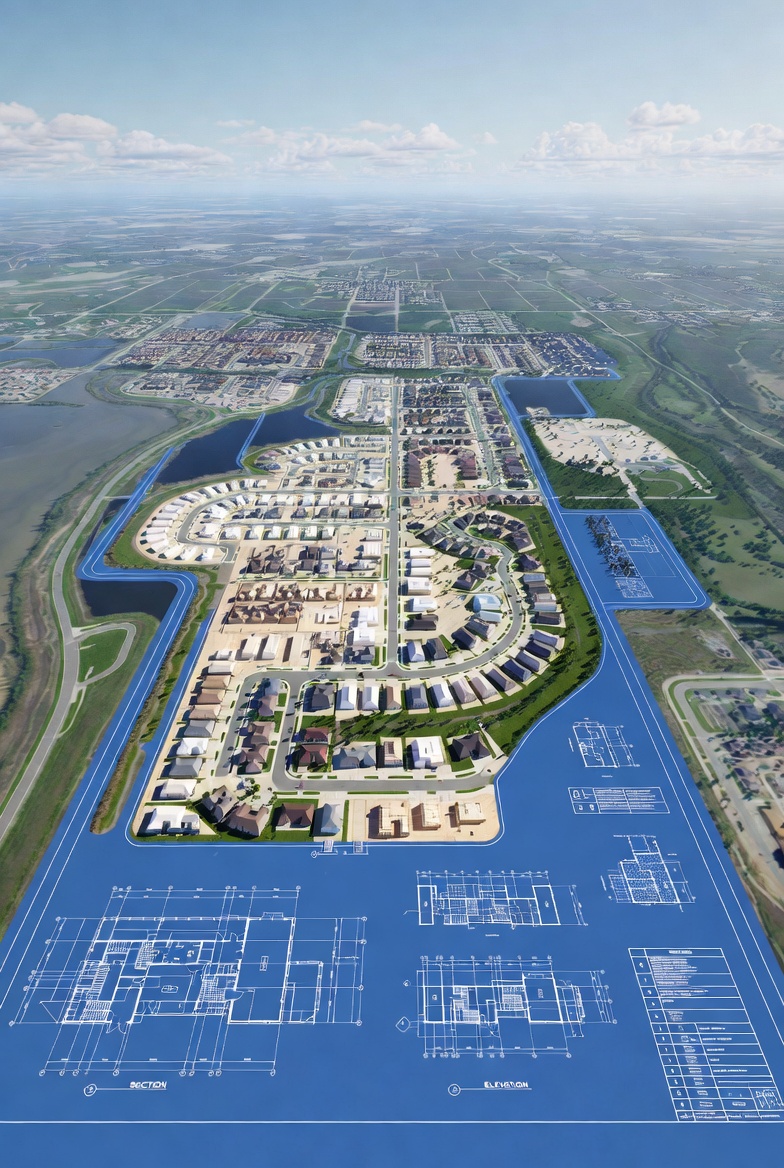
If you’ve spent any time driving through Fort Myers, Cape Coral, or Naples lately, you’ve seen it. The cranes are up, the orange barrels are out, and new communities are popping up where there used to be nothing but palmettos and pine trees. Southwest Florida isn’t just growing; it’s transforming.
But here’s the thing most homeowners miss: the real "boom" isn’t just the new buildings you see, it’s the invisible lines being redrawn on zoning maps.
Changes in Florida state law and local county ordinances in Lee and Collier are quietly shifting what you can do with your land. Whether you’re looking to sell in the next few months or you’re planning to stay in your "forever home," these zoning updates are directly impacting your property value.
Let’s pull back the curtain on what’s actually happening and how you can make sure you’re on the winning side of the SWFL growth curve.
The "Granny Flat" Revolution: SB48 and Your Backyard
One of the most significant shifts coming to our neck of the woods involves Accessory Dwelling Units, or ADUs. You might know them as mother-in-law suites, guesthouses, or carriage houses.
Under Florida’s SB48, municipalities are now required to adopt ordinances that allow ADUs in all single-family residential zones by December 1, 2026. This is a massive win for homeowners in Lee and Collier Counties.
In the past, adding a rental unit to your property in many parts of Naples or Fort Myers was a bureaucratic nightmare. Now, the state is making it easier. Why does this matter for your property value? Because land that has the potential to generate income is inherently more valuable than land that doesn't.
Imagine being able to build a small, stylish unit in your backyard for a long-term renter or a family member. Not only does this provide a secondary income stream to help cover a mortgage, but it also makes your property stand out when it’s time to sell. Buyers are looking for flexibility, and a property zoned for an ADU is a high-demand asset.

The Live Local Act: Changing the Skyline (and Your Neighborhood)
You may have heard of the Live Local Act in the news. While its primary goal is to create more affordable and workforce housing, its impact on local zoning is profound. It essentially allows for higher density and increased building heights in areas previously restricted, provided a portion of the units are designated as affordable.
In high-growth areas of Collier County and the urban corridors of Lee County, this is leading to more mixed-use developments. We’re seeing a shift toward "walkable" communities where residential and commercial spaces blend together.
If your home is located near one of these growth corridors, your property value could see a significant bump. As these areas become more developed with shopping, dining, and professional hubs, the desirability of nearby residential pockets tends to skyrocket. We get it, change can be a little scary, and nobody likes more traffic. But from an equity standpoint, being near a "growth node" is one of the best ways to ensure your home remains a top-tier investment.
Breaking the Stigma: Modular and Off-Site Construction
For a long time, there was a clear divide between "site-built" homes and "manufactured" or "modular" homes. Zoning laws often favored the former and pushed the latter to the outskirts.
Recent Florida legislation has changed the game by requiring local governments to treat modular and off-site constructed dwellings more like traditional homes. They can no longer enforce restrictions that are more prohibitive for modular homes than for conventional ones, as long as they meet the same safety standards.
This is huge for SWFL because it lowers the barrier to entry for new construction. If you have a vacant lot in Charlotte or Lee County, you now have more affordable, high-quality options for building. Standardizing these design requirements means that modern, energy-efficient modular homes are becoming part of the fabric of our neighborhoods, helping to stabilize and increase overall area values by filling in gaps with quality housing.

The Short-Term Rental Tug-of-War
We can’t talk about SWFL zoning without mentioning short-term rentals (STRs). Whether it’s an Airbnb in Cape Coral or a seasonal rental in Naples, the ability to rent out your property on a short-term basis is a major driver of property value.
Currently, Florida state law protects the right of property owners to offer transient rentals. However, Lee and Collier Counties still maintain the right to regulate the "how", things like noise ordinances, trash collection, and registration.
As a homeowner, staying on top of these local "micro-zones" is crucial. Some neighborhoods have stricter HOA rules that overrule county zoning. If you’re thinking about your home’s value, you need to know exactly what its "rental rights" are. A home that can legally be used as a short-term rental often commands a premium price tag compared to one that is strictly limited to long-term residency.
How to Leverage This Information Right Now
So, what should you do with all this talk of density, ADUs, and modular housing? Here are three ways to take action:
Check Your Current Zoning: Don't assume you know what your lot is zoned for. Rules have changed. You might find that your property is now eligible for an ADU or has been rezoned into a higher-density category.
Evaluate Your "Highest and Best Use": If you’re thinking about selling, it’s worth asking: is my home more valuable as a primary residence, or as a potential multi-unit site? We can help you look at the numbers through our home value tool.
Invest in Your Land: If you have the space, look into the feasibility of adding a secondary structure. Even if you don't build it today, having the plans or the "permittable" status can be a huge selling point.

Lee vs. Collier: A Tale of Two Growth Strategies
While both counties are booming, they’re handling growth differently.
Lee County (including Fort Myers and Cape Coral) is leaning heavily into residential expansion and infrastructure. With more available land, the focus here is often on creating "suburban-urban" hybrids, communities that offer the space of a suburb with the amenities of a city.
Collier County (Naples, Marco Island, Ave Maria) is more focused on "Growth Management." Because Collier has significant environmental protections in place, zoning changes here are often about maximizing the value of the land that can be built upon. This creates a scarcity effect that keeps property values among the highest in the state.
Understanding these nuances is key to knowing when to hold your property and when it might be time to get a cash offer and move on to your next chapter.
We’re Here to Help You Navigate the Boom
Navigating zoning maps and state legislation feels like a full-time job, because it is! But you don’t have to do it alone. At Passkey Realty, we keep our finger on the pulse of these changes so you don’t have to.
Whether you’re worried about a new development going up down the street or you’re excited about the prospect of building a guesthouse, we’re here to provide a calm, expert perspective. We’ve helped countless neighbors in Southwest Florida understand the true potential of their equity.
If you’re curious about how much your home is worth in today’s shifting market, or if you just want to chat about the future of your neighborhood, let’s connect. You can schedule a call with me here or dive deeper into your options for selling your home.
The SWFL boom isn't slowing down. Make sure your property value is growing right along with it.

